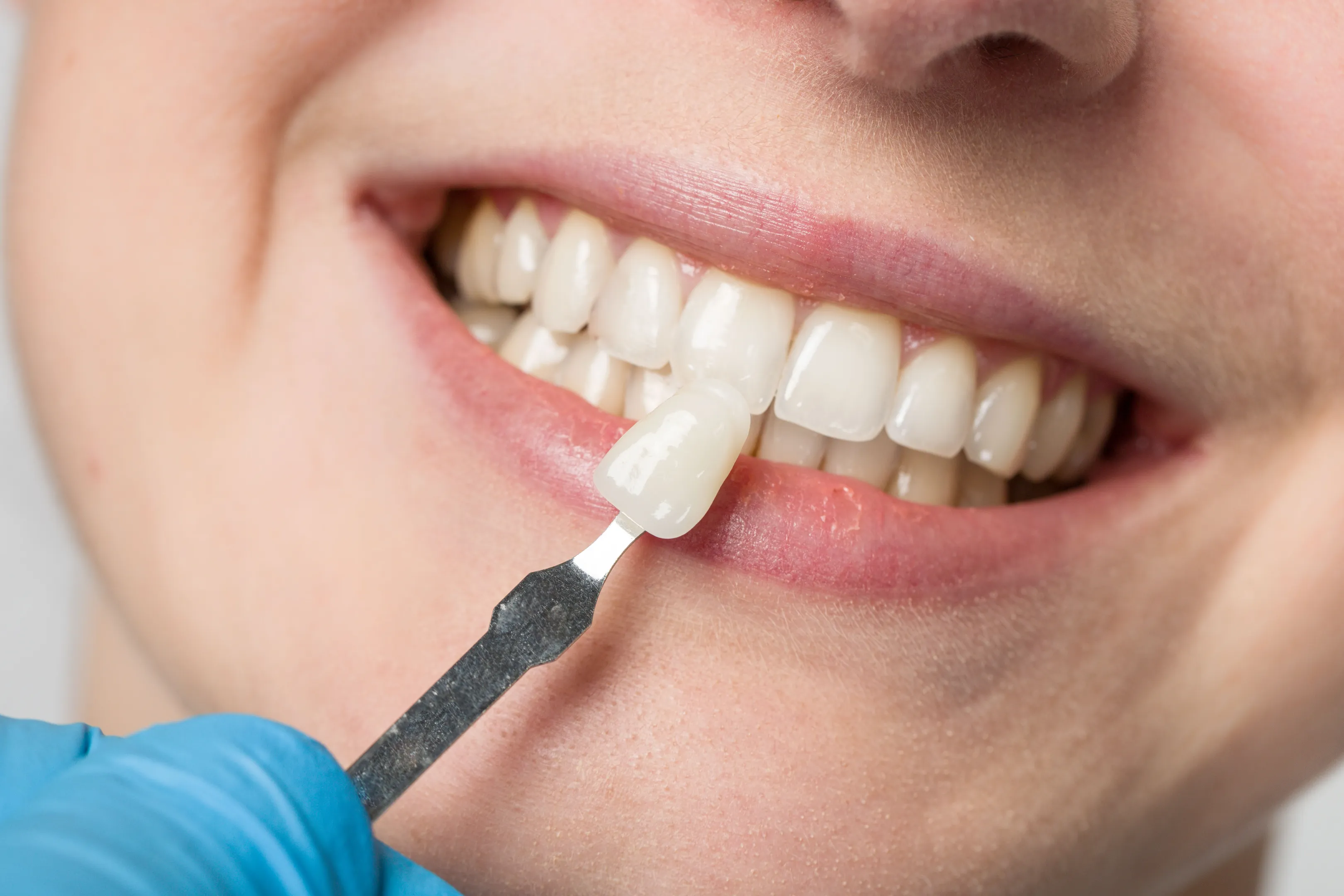
What happens at a porcelain veneer consultation in Orlando?
At your first consultation for porcelain veneers at Windermere Dental Group, Dr. Susana Moncada evaluates your teeth, gum health, bite, and cosmetic goals to determine whether veneers are the right fit — and if so, exactly how many you'd need and what the result would look like. The appointment is conversational and diagnostic, not a sales pitch. You'll leave with a clear picture of your options, realistic expectations, and a treatment plan tailored to your specific situation.
Here's a detailed look at what the consultation covers and what to think about before you come in.

Why the Consultation Matters More Than Most Patients Expect
Many patients assume a veneer consultation is simply about picking a shade of white. In reality, it's the most important step in the entire process — because the decisions made here determine how natural, durable, and long-lasting your results will be.
Dr. Moncada uses the consultation to evaluate factors that directly affect the outcome:
- Gum health — veneers bond to tooth enamel, not to inflamed or receding gum tissue. Any existing gum issues need to be addressed before veneers are placed, both for aesthetics and long-term stability
- Enamel thickness — because a small amount of enamel is removed to place veneers, patients with very thin enamel may not be ideal candidates for traditional porcelain veneers. Dr. Moncada may recommend Lumineers or a different approach in these cases
- Bite and jaw alignment — patients who grind or clench their teeth put significant force on veneers, which can shorten their lifespan. Dr. Moncada evaluates bite patterns and may recommend a nightguard alongside veneer treatment
- Overall tooth structure — teeth with significant decay, large existing fillings, or structural damage may need restorative treatment first, or may be better candidates for a crown rather than a veneer
What Dr. Moncada Actually Looks at During the Exam
The clinical portion of the consultation typically includes:
- A visual exam of the teeth, gums, and bite
- Digital X-rays to check for decay, root issues, or bone loss beneath the surface
- An assessment of how your upper and lower teeth meet when you bite
- Review of any existing dental work like crowns, fillings, or previous restorations
- Discussion of your smile goals — what you like, what you'd change, and what "natural" means to you
Patients are encouraged to bring photos of smiles they find appealing, or examples of what they don't want — this helps Dr. Moncada understand your aesthetic preferences before any clinical decisions are made.
How Many Veneers Will You Actually Need?
This is one of the most common questions patients have going in, and the answer depends entirely on your specific smile. Most veneer cases involve anywhere from 4 to 8 teeth — typically the teeth visible when you smile naturally. Treating fewer teeth can sometimes create a mismatch with adjacent untreated teeth, so Dr. Moncada plans the number carefully to ensure a cohesive, balanced result rather than isolated improvement.
If only one or two teeth have cosmetic concerns, dental bonding may achieve a similar result at a lower cost and without removing enamel — Dr. Moncada will present all viable options honestly so you can make the decision that's right for your goals and budget.
Understanding the Veneer Process From Consultation to Final Placement
Once you and Dr. Moncada agree on a plan, the process typically unfolds over two to three appointments:
Appointment 1 — Preparation: A thin layer of enamel (usually less than a millimeter) is removed from the front surface of each tooth. Impressions or digital scans are taken and sent to the dental lab. Temporary veneers are placed to protect your teeth in the meantime.
Appointment 2 — Placement: Your custom porcelain veneers return from the lab, typically within one to two weeks. Dr. Moncada checks the fit, color, and bite before permanently bonding them to your teeth. Minor adjustments are made until the result looks and feels right.
Follow-up: A brief follow-up visit confirms the veneers are bonding properly and that your bite feels comfortable with no pressure points.
What Veneers Can and Can't Fix
Veneers are versatile, but they aren't the right solution for every cosmetic concern. They work well for:
- Permanent staining that doesn't respond to professional whitening
- Chipped, worn, or slightly uneven tooth edges
- Minor gaps between teeth
- Teeth that are slightly misshapen or disproportionate in size
They're generally not the right fit for:
- Significant misalignment or bite issues — these are better addressed with Invisalign or braces first
- Teeth with active decay or gum disease — underlying health issues need to be resolved before cosmetic treatment begins
- Patients who grind heavily and won't commit to wearing a nightguard — the risk of chipping or fracture is significantly higher without bite protection
What to Do Before Your Consultation
Coming prepared helps you get more out of the appointment:
- Note the specific things about your smile you'd like to change — color, shape, gaps, unevenness
- Bring photos of smiles you admire, or screenshots from your phone
- Think about your timeline — veneers are a multi-appointment process, usually spanning three to six weeks from first preparation to final placement
- Review your dental insurance — veneers are typically considered a cosmetic procedure and are not covered by most dental insurance plans, though financing options are available. Our patient information page has details on financing
Schedule Your Veneer Consultation in Orlando
Dr. Susana Moncada and her team serve patients throughout MetroWest, Windermere, Gotha, Ocoee, and Dr. Phillips in a fully bilingual (English/Spanish) practice. If you've been thinking about veneers — or simply want to understand your options — a consultation is the clearest way to get honest, personalized answers.
Contact us online or call (407) 294-1132 to schedule your consultation at our Piazza Grande Ave office in Orlando.